
Ashwood Builders Address
Ashwood Builders Merchant Ltd, Old Uxbridge Road, Rickmansworth, UK

Contact
- May 21, 2026
- 0 Comments
When planning a loft conversion or home extension, deciding on the right fixtures is crucial for both style and performance. If you find yourself asking, “what materials are used for roof windows?”, you are in the right place. The material you choose for your roof window frames directly impacts how well they perform over the years.
Roof window materials matter because they dictate the durability, thermal insulation, and overall appearance of your installation. A high-quality frame will prevent heat loss, resist harsh British weather, and complement the aesthetic of your property. Additionally, the maintenance required to keep your windows looking and functioning at their best depends heavily on the materials used in their construction.
In this comprehensive roof windows buying guide, we will explore the different roof window frame materials available in the UK. We will look at their benefits, disadvantages, and practical considerations to help you find the perfect match for your project.
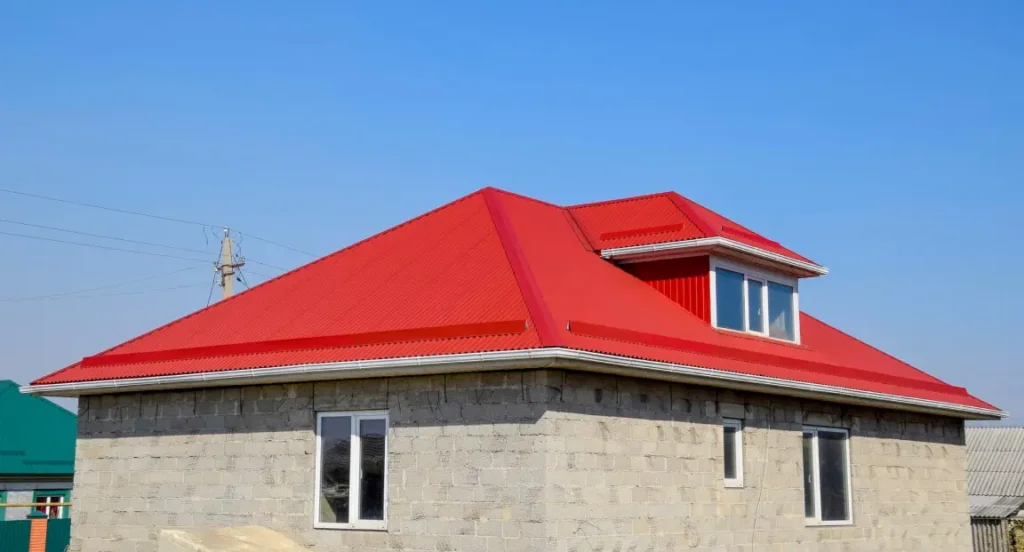
Why Roof Window Materials Are Important
Selecting the best material for roof windows is not just about finding a frame that looks good. The core structure of your window plays a major role in how comfortable and energy-efficient your home remains throughout the year.
Here is why your choice of material is so important:
- Energy efficiency: High-quality materials prevent thermal bridging. This keeps the heat inside during winter and blocks out excess heat during the summer months.
- Weather resistance: Roof windows face the full force of the elements. Your chosen material must withstand heavy rain, strong winds, and fluctuating temperatures without failing.
- Lifespan: Replacing roof windows is an investment. Choosing durable materials ensures your windows will last for decades rather than just a few years.
- Maintenance: Some materials require annual treatment, while others simply need an occasional wipe down with soapy water.
- Aesthetic appeal: The frame material affects the visual impact of your room. Whether you want a traditional rustic look or a sleek modern finish, the material sets the tone.
Timber Roof Windows
Timber roof windows are a classic and highly popular choice for residential properties across the UK. Often crafted from high-quality pine, they offer a traditional, warm aesthetic that suits both older homes and contemporary spaces.
Features and Advantages
The primary benefit of timber is its natural beauty. It adds character to a room and can be painted or varnished to match your interior décor. Timber is also a fantastic natural insulator, providing excellent energy efficiency benefits by preventing heat transfer.
Disadvantages and Maintenance Requirements
The main drawback of timber roof windows is the maintenance required to keep them in top condition. Wood is susceptible to moisture, meaning you will need to re-varnish or repaint the frames every few years to prevent rot. They are also generally best avoided in highly humid rooms like bathrooms and kitchens, unless they feature a specialized protective coating.
Best Uses
Timber frames are ideal for living rooms, bedrooms, and home offices where humidity levels are relatively low, and a natural, warm aesthetic is desired.
uPVC Roof Windows
If you are looking for a highly practical and durable option, uPVC roof windows are an excellent choice. Unplasticised Polyvinyl Chloride (uPVC) has become a staple in modern construction due to its incredible resilience and convenience.
Features and Advantages
uPVC roof window materials are designed to withstand moisture, making them completely waterproof and highly resistant to the elements. They offer fantastic affordability compared to other premium materials. Furthermore, uPVC provides exceptional low maintenance benefits. You will never need to paint, varnish, or treat a uPVC frame.
Disadvantages
While modern uPVC looks significantly better than older versions, some homeowners feel it lacks the natural charm and character of timber. It can also be difficult to repair if the frame sustains deep scratches or structural damage.
Best Uses
Because they are highly resistant to moisture, uPVC roof windows are the perfect choice for high-humidity areas such as bathrooms, kitchens, and utility rooms.
Aluminium Roof Windows
Aluminium roof windows are increasingly sought after by architects, builders, and homeowners looking for a premium, contemporary finish. They are widely used in both commercial and residential applications.
Features and Advantages
The biggest advantage of aluminium is its incredible strength-to-weight ratio. This allows for very slim frame benefits, maximizing the amount of glass and natural light entering the room. Aluminium offers a sleek, modern appearance and provides unmatched weather resistance. It will not warp, rust, or rot over time.
Disadvantages
Historically, aluminium was a poor insulator. While modern aluminium roof windows use thermal breaks to prevent heat loss, they can still be slightly less energy-efficient than high-quality timber or uPVC. They also tend to sit at the higher end of the budget spectrum.
Composite Roof Windows
Composite roof windows represent the cutting edge of roof window technology. These frames utilize combination materials to provide the best features of multiple options while minimizing their individual drawbacks.
Why They Are Growing in Popularity
Most composite windows feature a solid timber core wrapped in a seamless, waterproof polyurethane or aluminium exterior. This provides the structural strength and thermal performance of wood, combined with the low-maintenance, moisture-resistant properties of synthetic materials.
Performance Advantages
Composite frames are incredibly durable, energy-efficient, and aesthetically versatile. They are perfect for any room in the house, including high-moisture areas, and require almost zero maintenance beyond routine cleaning.
Types of Roof Window Glazing Materials
The frame is only half of the equation. The roof window glazing you select is equally important for the overall performance of the unit. Here are the most common types:
- Double glazing: The standard for roof windows UK wide. It features two panes of glass separated by a gas-filled gap, providing excellent thermal insulation and noise reduction.
- Triple glazing: Features three panes of glass for enhanced energy-efficient roof windows. It is ideal for exceptionally cold areas or homes located near busy, noisy roads.
- Toughened glass: Often used for the outer pane. It is designed to withstand heavy impacts from hail or falling debris without shattering.
- Laminated glass: Typically used for the inner pane. If broken, it holds together safely rather than falling into the room, making it essential for overhead installations.
- Energy-efficient glazing: Features specialized low-emissivity (Low-E) coatings that reflect heat back into the room during winter while blocking solar heat gain in summer.
Which Roof Window Material Is Best?
When comparing timber vs uPVC vs aluminium, there is no single right answer. The best material for roof windows depends on your specific needs, budget, and property.
Here is a quick comparison table to help you decide:
| Feature | Timber | uPVC | Aluminium |
|---|---|---|---|
| Cost | Medium | Low to Medium | High |
| Maintenance | High (Requires treatment) | Low (Wipe clean) | Low (Wipe clean) |
| Appearance | Traditional, natural | Clean, standard | Sleek, modern |
| Longevity | Excellent (if maintained) | Very Good | Outstanding |
| Energy Efficiency | Outstanding | Very Good | Good (with thermal break) |
How to Choose the Right Roof Window Material
Making your final decision requires balancing several practical considerations. Use these guiding factors to choose the right frame for your project:
- Property style: Period homes usually look best with timber frames, whereas modern extensions benefit from the slim lines of aluminium.
- Budget: If keeping costs down is a priority, uPVC offers excellent value for money.
- Maintenance preferences: If you prefer a “fit and forget” solution, avoid timber and opt for uPVC, aluminium, or composite frames.
- Climate considerations: Homes exposed to severe coastal weather or high winds benefit from the strength and corrosion resistance of aluminium or composite materials.
- Roof type: Ensure the material you select is compatible with your specific roofing structure and the flashing kits available for your roof type.
Common Roof Window Problems Related to Materials
Choosing the wrong material for a specific room can lead to frustrating issues down the line. Here are common problems to watch out for:
- Condensation: Poorly insulated frames or inadequate glazing can lead to heavy condensation, which drips into the room.
- Rot: Using untreated timber frames in high-humidity areas like bathrooms will inevitably lead to wood rot over time.
- Corrosion: Older or cheap metal frames without proper coatings can suffer from corrosion and rust when exposed to harsh weather.
- Discolouration: Low-quality uPVC can turn yellow or discolour when exposed to heavy UV light over many years.
- Heat loss: Frames that lack proper thermal breaks will allow heat to escape, driving up your energy bills in the winter.
Why Buy Roof Windows from Ashwood Builders Merchant
When you need reliable, high-performance building materials, Ashwood Builders Merchant is your trusted local partner.
We pride ourselves on offering quality products that stand the test of time. Our extensive range of roof windows includes top-tier timber, uPVC, and aluminium options to suit any project. We offer highly competitive prices to ensure you can complete your build or renovation on budget.
Whether you are a seasoned contractor or a DIY homeowner, our knowledgeable team is always on hand to provide expert advice. With a reliable supply chain and a massive inventory, we ensure you get the materials you need exactly when you need them. Both trade professionals and the general public are always welcome at our depot.
Conclusion
Understanding what materials are used for roof windows is the first step in making a smart, long-lasting investment for your property. Whether you value the natural warmth of timber, the low-maintenance affordability of uPVC, or the modern strength of aluminium, each material offers unique advantages. By considering your budget, maintenance preferences, and the specific room environment, you can easily choose the ideal roof window frame materials for your home.
Contact Ashwood Builders Merchant today for high-quality roof windows and expert advice across Rickmansworth and surrounding areas.
FAQs
What is the best material for roof windows?
There is no single “best” material, as it depends on the application. Timber is best for natural aesthetics and insulation in dry rooms. uPVC is best for low maintenance and humid areas like bathrooms. Aluminium is ideal for modern, slimline designs requiring high strength.
Are timber roof windows better than uPVC?
Timber is not necessarily better than uPVC; it simply serves a different purpose. Timber offers better aesthetic appeal and natural insulation but requires regular maintenance. uPVC is highly moisture-resistant, requires zero maintenance, and is generally more affordable.
How long do roof windows last?
High-quality roof windows can last anywhere from 20 to 40 years, depending on the material and how well they are maintained. Aluminium and uPVC generally have excellent longevity without maintenance, while timber can last just as long if properly varnished or painted over the years.
Are aluminium roof windows energy efficient?
Modern aluminium roof windows are very energy efficient. While metal naturally conducts heat, today’s aluminium frames are constructed with internal “thermal breaks” (insulating barriers) that prevent heat transfer, keeping your home warm.
Which roof window material requires the least maintenance?
uPVC and composite roof windows require the least maintenance. They are highly resistant to moisture, do not rot or rust, and never need to be painted or varnished. A simple wipe down with soapy water is all that is required.
What glazing is best for roof windows?
For most UK homes, a double-glazed unit with a toughened outer pane and a laminated inner pane is the best choice. This provides excellent energy efficiency while ensuring maximum safety for overhead installations. Triple glazing is a great upgrade for maximum thermal efficiency and noise reduction.