
Ashwood Builders Address
Ashwood Builders Merchant Ltd, Old Uxbridge Road, Rickmansworth, UK

Contact
- August 18, 2026
- 0 Comments
Timber is one of the most versatile materials used in construction, renovation, joinery, landscaping, and home improvement. From structural framing and roof construction to fencing, decking, and interior projects, the right timber can contribute to the strength, appearance, and longevity of a finished project.
For builders, tradespeople, contractors, and homeowners, finding a reliable Timber Merchant in Ickenham by Ashwood Builders Merchant can make sourcing suitable materials much easier. A good timber merchant should offer a useful range of products, consistent quality, knowledgeable assistance, and convenient access to materials for projects of different sizes.
This guide explains the different types of timber by Ashwood Builders Merchant commonly used in building projects, what to consider when choosing timber, and why working with an established builders’ merchant can benefit your project.
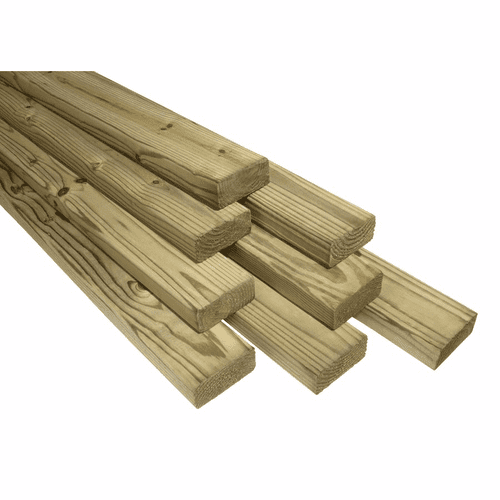
Why Is Timber Important in Construction?
Timber has been used in construction for centuries because it combines strength, versatility, and relatively easy handling. Modern timber products are available in various grades, dimensions, treatments, and finishes, allowing them to meet different structural and practical requirements.
Timber can be used for roof structures, floor joists, wall framing, partitions, doors, architectural features, garden structures, and many other applications.
The correct product depends on how and where it will be used. Structural applications require timber that meets the relevant specifications, while decorative or landscaping projects may have different requirements.
What Can You Buy from a Timber Merchant?
A reputable Timber Merchant in Ickenham can provide access to a wide selection of timber products for construction and home improvement projects.
Structural Timber
Structural timber is used for applications where the material forms part of a building’s supporting framework. Common examples include wall studs, floor joists, roof components, and other structural elements.
The timber grade and dimensions should be appropriate for the intended application. For load-bearing projects, specifications should be confirmed by a suitably qualified professional where necessary.
Treated Timber
Treated timber has been processed to improve its resistance to certain forms of decay and biological attack. It is commonly used in applications where timber may be exposed to moisture or outdoor conditions.
Typical uses include fencing, landscaping, decking, garden structures, and some construction applications.
The appropriate treatment and timber specification depend on the environment and intended use.
CLS Timber
CLS timber is a popular choice for internal construction and is commonly used for stud walls, partitions, framing, and general carpentry.
Its standardized dimensions and smooth finish make it convenient for many interior projects. However, the appropriate grade should always be selected according to the project’s requirements.
Hardwood and Softwood
Timber is broadly categorized as hardwood or softwood, although these terms describe botanical groups rather than simply how hard the wood feels.
Softwoods such as spruce, pine, and fir are widely used in construction because they are generally easy to work with and readily available. Hardwoods can be selected for applications where particular appearance, durability, or performance characteristics are desired.
Choosing the Right Timber for Your Project
Finding a Timber Merchant in Ickenham is only the first step. Selecting the appropriate timber is equally important.
1. Consider the Application
Start by identifying exactly how the timber will be used. Timber for a roof structure will have different requirements from timber intended for a garden fence or decorative feature.
Understanding the application helps determine the appropriate species, grade, dimensions, and treatment.
2. Check the Grade
Timber grading provides information about its structural performance and suitability for particular applications.
For structural projects, builders should use timber that meets the relevant requirements rather than selecting materials solely based on appearance or price.
3. Choose the Correct Dimensions
Timber is available in many widths and thicknesses. Accurate measurements can help reduce waste and prevent unnecessary cutting or adjustments on site.
It is useful to prepare a cutting list before purchasing timber for larger projects.
4. Consider Moisture and Exposure
Where timber will be exposed to weather or damp conditions, the product needs to be suitable for that environment. Treated timber may be appropriate for many outdoor applications.
For internal projects, timber should also be stored correctly to help prevent unwanted movement or moisture-related problems before installation.
5. Think About Quantity and Waste
Ordering the correct amount of timber can help control project costs. However, some allowance for cutting waste may be necessary depending on the project.
For larger construction projects, an accurate materials schedule can make ordering more efficient.
Benefits of Buying from a Local Timber Merchant
Working with a local Timber Merchant in Ickenham can provide several practical advantages for construction professionals and homeowners.
Convenient Material Sourcing
Local access to building materials can reduce the time required to source timber. This can be particularly useful when a project requires additional materials unexpectedly.
Product Variety
An established builders’ merchant can provide access to different timber sizes, grades, treatments, and related building products, allowing customers to source materials for multiple stages of a project.
Expert Product Knowledge
Timber selection can sometimes be confusing, particularly for customers who are unfamiliar with grades, treatments, or applications. Knowledgeable merchant staff can explain product differences and help customers identify the information needed for an appropriate purchase.
Support for Different Projects
From small DIY improvements to larger construction projects, a timber supplier can help customers source materials according to their requirements.
Common Uses of Timber
Timber’s versatility makes it suitable for a wide range of building and improvement projects.
Common applications include:
- Roof construction
- Floor and wall framing
- Stud partitions
- Joinery
- Doors and frames
- Fencing
- Decking
- Garden structures
- Shelving and interior projects
- Renovations and extensions
Each application requires consideration of the timber’s intended environment, dimensions, grade, and performance requirements.
How to Store Timber Correctly
Purchasing quality timber is important, but proper storage is also essential.
Timber should generally be stored in a clean, dry, and well-ventilated area. Where possible, it should be kept raised from the ground and protected from direct exposure to rain.
Stacking timber correctly can also help maintain airflow and reduce the risk of excessive moisture accumulation. Before installation, timber should be allowed to reach conditions appropriate for its intended application.
Poor storage can contribute to problems such as warping, twisting, or moisture-related deterioration.
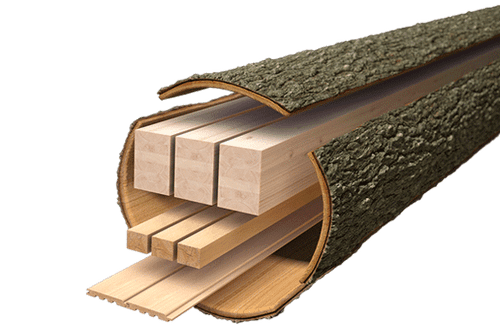
Why Choose Ashwood Builders Merchant?
Ashwood Builders Merchant supplies building materials for construction, renovation, and home improvement projects. Customers looking for a Timber Merchant in Ickenham can contact the business to discuss their timber requirements and product availability.
Whether you are a professional tradesperson working on a construction project or a homeowner completing an improvement project, providing accurate information about the intended use, dimensions, and quantity can make the ordering process more efficient.
Ashwood Builders Merchant can also help customers source other building materials required alongside timber, providing a convenient option for managing multiple material requirements.
Frequently Asked Questions
What type of timber is best for construction?
The appropriate timber depends on the application. Structural projects require timber of a suitable grade and specification, while landscaping, joinery, and decorative projects may require different products.
Does outdoor timber need to be treated?
Timber used outdoors may require appropriate treatment or a naturally durable species, depending on its exposure and intended application. Product guidance should always be checked before installation.
How should timber be stored?
Timber should generally be kept off the ground in a dry, well-ventilated location and protected from direct weather exposure. Correct stacking can help reduce the risk of warping and moisture problems.
Can a timber merchant help calculate what I need?
A merchant can often help customers understand product dimensions and quantities, but the exact material requirements for structural work should be established from the project’s drawings, specifications, or advice from an appropriately qualified professional.
Conclusion
Choosing the right timber can have a significant impact on the quality and performance of a building project. Whether you need structural timber for a new construction project, treated timber for landscaping, or suitable wood for interior work, understanding the material’s grade, dimensions, treatment, and intended application is essential.
A reliable Timber Merchant in Ickenham can make the sourcing process easier by providing a broad selection of products and practical assistance. By selecting appropriate materials and storing them correctly before installation, builders and homeowners can help ensure their projects achieve the desired results.
Contact Ashwood Builders Merchant
For information about timber and other building materials, contact Ashwood Builders Merchant:
Phone: 01895 824918
Email: info@ashwoodbm.com
Address: Ashwood Builders Merchant Ltd, Old Uxbridge Road, Rickmansworth, UK