
Ashwood Builders Address
Ashwood Builders Merchant Ltd, Old Uxbridge Road, Rickmansworth, UK

Contact
- June 12, 2026
- 0 Comments
Planning a garden project can feel overwhelming when you are faced with so many choices. Should you invest in a new patio or focus on planting beds bursting with colour? Understanding Hard Landscaping vs Soft Landscaping Explained gives you the clarity you need to make confident decisions. This guide breaks down both approaches, shows how they work together, and helps you create an outdoor space that looks great and serves your needs for years to come.
Understanding the Basics of Landscaping
Landscaping describes the process of shaping and improving an outdoor space. It blends practical features with natural elements to create gardens that are both functional and attractive. Whether you manage a small terraced garden or a sprawling country plot, good landscaping makes a real difference.
At its core, landscaping falls into two main categories. The hard elements form the structure, while the soft elements bring life and colour. Knowing how these categories differ helps you plan smarter projects.
Why Landscaping Matters for Outdoor Spaces
A well planned garden adds genuine value to any property. For homeowners, it creates a relaxing retreat and a space for entertaining. For property developers, attractive outdoor areas help sell homes faster and at better prices.
Beyond appearance, landscaping improves how you use your space. A tidy driveway eases parking, while a level patio gives you somewhere to enjoy summer evenings. The right landscaping materials make these improvements possible.
The Role of Design in Garden Transformations
Great gardens rarely happen by accident. Thoughtful design ties everything together, balancing structure with greenery. Designers consider how light moves across the space, where people will walk, and how the garden will look in every season.
Even simple changes can transform a tired plot. Adding a winding path or a raised bed creates interest and draws the eye. With quality garden design materials, you can bring almost any vision to life.
Hard Landscaping vs Soft Landscaping Explained
Now we reach the heart of the matter. Understanding the difference between these two approaches shapes every decision you make in your garden.
Hard landscaping covers the solid, built features of a garden. Soft landscaping covers the living, growing elements. Together they form a complete outdoor space, but each plays a very different role.
What Is Hard Landscaping?
Hard landscaping refers to the non living structures in your garden. Think paving, walls, decking, and gravel paths. These features provide the bones of your outdoor space.
Definition and Key Features
Hard landscaping uses durable materials that withstand weather and heavy use. These features tend to last for many years and need little upkeep once installed. They define boundaries, create routes, and offer flat surfaces for furniture or vehicles.
Because these elements are permanent, planning them carefully matters. The right hard landscaping products ensure your investment stands the test of time.
Common Hard Landscaping Materials
Typical materials include natural stone, porcelain paving, block paving, concrete, bricks, and timber. Decorative gravel and slate chippings also fall into this category. Each material brings its own look, cost, and maintenance level.
For example, a homeowner in Yorkshire might choose riven sandstone for a rustic patio, while a modern London garden might suit sleek porcelain slabs. Browsing a trusted landscaping supplier helps you compare options.
What Is Soft Landscaping?
Soft landscaping covers everything that grows. Lawns, plants, shrubs, trees, and flowers all fall under this heading. These elements add softness, colour, and seasonal change.
Definition and Key Features
Soft landscaping breathes life into a space. Unlike solid structures, these features change throughout the year and need ongoing care. They attract wildlife, improve air quality, and create a sense of calm.
Choosing healthy plants and good quality compost gives your garden the best start. Quality soft landscaping solutions support strong, lasting growth.
Common Soft Landscaping Elements
Common elements include turf, ornamental grasses, perennial borders, hedging plants, and trees. Mulch, topsoil, and bark also support healthy planting. These materials work together to create rich, layered gardens.
A family garden might feature a hardwearing lawn for children, while a wildlife garden might favour native hedging and pollinator friendly flowers.
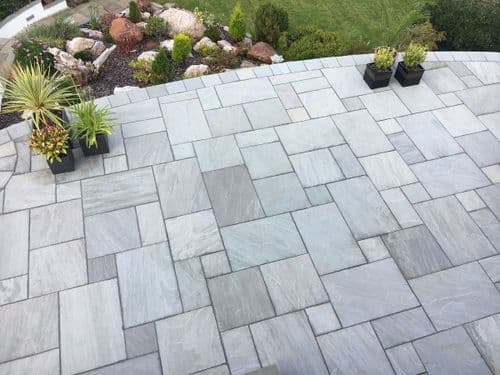
Understanding Hard Landscaping in Detail
Let us look more closely at the main types of hard landscaping and how they benefit your garden.
Patios and Paving Areas
A patio creates a dedicated space for dining, relaxing, and entertaining. It extends your living area into the garden and provides a clean, level surface underfoot.
Benefits of Paved Outdoor Spaces
Paved areas resist mud and puddles, so you can use them all year round. They suit barbecues, garden furniture, and pots filled with plants. With the right paving and patio materials, you can match your patio to your home and taste.
Porcelain paving has grown popular across the UK thanks to its slip resistance and low maintenance. Natural stone, meanwhile, offers timeless charm.
Driveways and Pathways
Driveways and pathways guide movement through your property. They handle daily foot traffic and the weight of vehicles, so durability is key.
Practical and Aesthetic Advantages
A well laid block paving driveway boosts kerb appeal and provides off road parking. Gravel paths offer an affordable, attractive route through planted areas. Both improve safety by reducing trips and slips.
Many UK homeowners choose permeable paving to manage rainwater and meet planning rules. Quality construction materials make these projects straightforward.
Decorative Aggregates and Stone Features
Loose stone adds texture and definition without the cost of solid paving. It works brilliantly in borders, around trees, and as a low maintenance ground cover.
Creating Structure and Visual Interest
A bed of slate chippings sets off bright plants beautifully. Cobbles can edge a path, while pebbles create a contemporary feel. Browsing decorative aggregates reveals plenty of colours and sizes to suit any scheme.
These materials also help with drainage and suppress weeds, saving you time later.
Retaining Walls and Garden Borders
Retaining walls hold back soil and create level areas on sloping plots. Borders neatly separate different zones in your garden.
Improving Functionality and Design
A retaining wall can turn an awkward slope into a usable terrace. Raised beds built from stone or brick make planting easier and add height to flat gardens. Reliable building materials supplier options ensure these structures stay strong.
Borders also keep gravel, soil, and lawns in their place, giving a crisp, tidy finish.
Understanding Soft Landscaping in Detail
Now we turn to the living side of your garden and the elements that bring it to life.
Lawns and Grass Areas
A healthy lawn forms the green heart of many gardens. It offers space to play, relax, and enjoy the outdoors.
Natural Appeal and Benefits
Grass cools the air, absorbs rainwater, and provides a soft surface for children and pets. A lush lawn also frames flower beds and paving beautifully. Good topsoil and quality turf, found through garden landscaping supplies, give you the best results.
For low maintenance plots, some homeowners now choose ornamental grasses or wildflower areas instead.
Plants, Shrubs and Trees
Plants give a garden its character. From towering trees to neat shrubs, they add structure, shade, and scent.
Adding Colour and Texture
Layering plants of different heights creates depth and interest. Evergreen shrubs provide structure all year, while flowering plants add seasonal bursts of colour. Trees offer shade and a sense of maturity.
A small urban garden might use potted shrubs, while a larger plot could feature a flowering cherry or silver birch.
Flower Beds and Seasonal Planting
Flower beds let you experiment with colour and scent throughout the seasons. They reward a little effort with stunning displays.
Enhancing Visual Interest Throughout the Year
Spring bulbs, summer perennials, and autumn grasses keep your garden looking lively. Mixing annuals with permanent planting offers flexibility. Rich compost and mulch support strong growth, and these outdoor improvement products are easy to source.
Many gardeners plan beds so something is always in bloom, avoiding dull patches.
Hedges and Natural Boundaries
Hedges create living boundaries that soften hard edges and define space. They offer a green alternative to fences and walls.
Privacy and Environmental Benefits
A mature hedge provides privacy, blocks wind, and dampens noise. It also shelters birds and insects, supporting local wildlife. Native species such as hawthorn and beech thrive across the UK and look wonderful year round.
Hedges take time to establish, but they reward patience with lasting beauty.
Key Differences Between Hard and Soft Landscaping
Understanding the contrasts helps you balance your project effectively.
Appearance and Design Impact
Hard landscaping creates clean lines and permanent structure. Soft landscaping adds movement, colour, and a natural feel. Together they create harmony.
Maintenance Requirements
Hard features need little upkeep, perhaps an occasional clean or weed treatment. Soft features need regular mowing, pruning, and feeding. Your time and energy should shape your choices.
Installation Costs
Hard landscaping often costs more upfront due to materials and labour. Soft landscaping tends to be cheaper to install but may cost more over time in upkeep.
Longevity and Durability
A quality patio or wall can last decades. Plants grow and change, sometimes needing replacement. Both have their place in a lasting garden.
Environmental Benefits
Soft landscaping supports wildlife and improves air quality. Hard landscaping, when chosen carefully with permeable options, can still manage water responsibly.
Property Value Considerations
A balanced garden with quality features appeals to buyers. Tidy paving and healthy planting suggest a well cared for home, which can lift your property value.
Benefits of Hard Landscaping
Hard landscaping brings several clear advantages to any outdoor space.
Improved Functionality
Paths, patios, and driveways make your garden easier to use in all weathers. They create defined areas for parking, dining, and relaxing.
Increased Usable Outdoor Space
Levelling slopes and adding paved zones turns unused corners into practical spaces. This is especially valuable in smaller UK gardens.
Reduced Maintenance Requirements
Once installed, hard features need very little attention. This suits busy homeowners and rental properties alike.
Long Term Durability
Quality materials withstand harsh British weather for years. Choosing trusted UK building materials ensures your features stay strong.
Benefits of Soft Landscaping
Soft landscaping offers its own set of rewards that hard features simply cannot match.
Enhanced Natural Beauty
Plants and lawns bring warmth and life to a garden. They soften hard surfaces and create a welcoming feel.
Better Biodiversity
Flowers, shrubs, and hedges attract bees, butterflies, and birds. A planted garden supports local ecosystems and feels alive.
Improved Air Quality
Greenery filters the air and releases oxygen. Trees and hedges even reduce noise and dust near busy roads.
Seasonal Interest and Flexibility
Planting lets you change your garden with the seasons. You can refresh borders, try new colours, and adapt easily over time.
How Hard and Soft Landscaping Work Together
The best gardens blend both approaches seamlessly. Neither works as well alone.
Creating a Balanced Garden Design
A balanced design uses structure to frame planting. Paving provides order while plants add softness. This balance feels natural and inviting.
Combining Structure With Natural Elements
Imagine a stone patio surrounded by lush borders, or a gravel path winding between flowering shrubs. These combinations show how Hard Landscaping vs Soft Landscaping Explained works in practice, with each element supporting the other.
Examples of Successful Landscaping Projects
A typical UK family garden might pair a porcelain patio with a neat lawn and colourful beds. A low maintenance plot might use decorative aggregates with hardy evergreen shrubs. Both rely on quality landscaping solutions for lasting results.

Choosing the Right Landscaping Approach
Every garden is different, so your approach should suit your space and lifestyle.
Factors to Consider
Several factors guide your decision. Weighing them carefully prevents costly mistakes.
Property Size
Small gardens often benefit from more hard landscaping to maximise usable space. Larger plots offer room for generous planting.
Budget
Set a realistic budget early. Hard landscaping costs more upfront, so plan your spending across both elements.
Maintenance Expectations
Be honest about how much time you can give your garden. Busy households often favour low maintenance designs.
Lifestyle Requirements
Families may want lawns and play areas. Keen gardeners may prefer rich planting. Entertainers may prioritise patios.
When to Prioritise Hard Landscaping
Choose hard landscaping first when you need parking, level surfaces, or low upkeep. It also helps on sloping or awkward plots.
When to Focus on Soft Landscaping
Focus on planting when you want colour, wildlife, and a relaxing green space. This suits established gardens that already have good structure.
When a Combination Delivers the Best Results
In most cases, a thoughtful mix delivers the finest outcome. This is where understanding Hard Landscaping vs Soft Landscaping Explained truly pays off, helping you balance both for a garden you will love.
Common Landscaping Mistakes to Avoid
Avoiding these pitfalls saves money and frustration.
Focusing Only on Appearance
A beautiful garden must also work well. Always consider function alongside looks.
Ignoring Drainage Requirements
Poor drainage leads to puddles, damage, and unhappy plants. Plan drainage carefully, especially with paving.
Choosing Low Quality Materials
Cheap materials often fail quickly. Investing in quality garden transformation ideas and products pays off over time.
Overlooking Long Term Maintenance
Think ahead about upkeep. Choose features and plants that match the time you can realistically give.
Why Quality Landscaping Materials Matter
The materials you choose shape the success of your project. Cutting corners rarely pays.
Improving Durability and Performance
Quality paving, aggregates, and timber resist wear and weather. They keep your garden looking smart for longer.
Achieving Better Design Results
Premium materials offer better finishes, colours, and consistency. This lifts the whole look of your garden.
Maximising Return on Investment
Spending wisely on good materials protects your investment. A well built garden adds lasting value to your home.
Why Homeowners Choose Ashwood Building Materials
Ashwood Building Materials has become a trusted name for outdoor projects across the UK. Here is why so many people rely on them.
Wide Range of Landscaping Products
From paving to planting supplies, Ashwood Building Materials stocks everything you need in one place. Their full landscaping range covers both hard and soft elements.
Quality Garden Improvement Materials
Every product is chosen for durability and performance. This means your project starts on solid ground.
Reliable Solutions for Landscaping Projects
Whether you are a homeowner, landscaper, or developer, Ashwood Building Materials offers dependable supply and expert support. You can explore their full range at Ashwood Building Materials.
Conclusion
Creating a beautiful, practical garden comes down to balance. By keeping Hard Landscaping vs Soft Landscaping Explained in mind, you can blend solid structure with living greenery to suit your space, budget, and lifestyle. Hard features give you durability and function, while soft elements bring colour, calm, and life. Used together, they create outdoor spaces that look stunning and work brilliantly all year round.
The key to success lies in quality materials and careful planning. Whatever your project, Ashwood Building Materials offers the products and expertise to bring your vision to life. Explore their wide range of professional quality outdoor improvement solutions today, and take the first step towards the garden you have always wanted. Visit Ashwood Building Materials to get started.
Frequently Asked Questions
What is considered hard landscaping?
Hard landscaping covers the solid, built features of a garden. This includes patios, driveways, paths, decking, walls, and decorative aggregates. These elements provide structure, durability, and practical surfaces for everyday use.
What is considered soft landscaping?
Soft landscaping refers to the living elements of a garden. This includes lawns, plants, shrubs, trees, flower beds, and hedges. These features add colour, texture, and seasonal interest while supporting local wildlife.
Which is more expensive, hard landscaping or soft landscaping?
Hard landscaping usually costs more to install because of materials and labour. Soft landscaping is often cheaper upfront but may cost more over time through ongoing maintenance such as mowing, pruning, and replanting.
Can hard and soft landscaping be used together?
Absolutely. The best gardens combine both. Hard features create structure while soft elements add life and colour. A patio surrounded by planted borders is a perfect example of the two working in harmony.
Why is hard landscaping vs soft landscaping explained important for planning a garden project?
Understanding Hard Landscaping vs Soft Landscaping Explained helps you plan smarter and avoid costly errors. It allows you to balance structure with greenery, match features to your lifestyle, and choose the right materials. With this knowledge, you can create a garden that looks beautiful, works well, and lasts for years. For quality products to support your project, explore the range at Ashwood Building Materials.