
Ashwood Builders Address
Ashwood Builders Merchant Ltd, Old Uxbridge Road, Rickmansworth, UK
Contact
- June 12, 2026
- 0 Comments
Heating a poorly insulated property is like trying to fill a bucket with a hole in the bottom. You keep adding warmth, but it keeps escaping. That is exactly why understanding the benefits of high quality insulation for energy efficiency matters so much for anyone who owns, builds or renovates buildings in the UK. Whether you are a homeowner facing rising bills or a contractor planning a new development, the right insulation makes a measurable difference.
This guide walks you through how insulation works, the types available, the financial and environmental payoffs, and how to choose products that perform for decades. You will also learn what to avoid and why a reliable building materials supplier like Ashwood Building Materials can help you get it right.
Understanding the Importance of Modern Insulation
Insulation is no longer a simple afterthought tucked into a loft. It has become a core part of how we design comfortable, efficient and sustainable buildings. Modern standards expect far more from the materials wrapped around our homes and workplaces.
Why Insulation Matters in Today’s Buildings
A building loses heat through its walls, roof, floors and gaps around windows and doors. Without proper building insulation, that warmth disappears quickly, forcing heating systems to work harder.
Good insulation slows this heat movement. It keeps warmth inside during winter and helps maintain cooler temperatures in summer. The result is a more stable, comfortable indoor environment all year round.
The Growing Focus on Energy Efficiency in the UK
Energy prices have climbed steeply in recent years, and so has awareness of carbon emissions. UK building regulations now place strong emphasis on thermal performance, and many homeowners want lower bills without sacrificing comfort.
This shift has pushed energy efficient insulation to the front of construction planning. Builders and developers increasingly view quality insulation as essential rather than optional.
Benefits of High Quality Insulation for Energy Efficiency
Investing in well made materials pays off in comfort, cost and sustainability. Below are the practical reasons that explain why so many UK projects prioritise quality.
Reducing Heat Loss Throughout the Property
Heat escapes from every surface of an uninsulated building. Roofs alone can account for a quarter of all heat loss in a typical home. Walls, floors and gaps make up much of the rest.
Quality thermal insulation products create a continuous barrier that limits this escape. The fewer weak points, the better the overall performance.
How Insulation Improves Thermal Performance
Thermal performance is usually measured by U-values. A lower U-value means less heat passes through a material, which is exactly what you want.
High quality products deliver consistent low U-values across the whole surface. Cheaper alternatives often perform unevenly, leaving cold spots that undermine the entire system.
The Impact on Indoor Comfort
Comfort is about more than temperature on a thermostat. It is about even warmth, fewer draughts and stable conditions in every room.
Picture a north facing bedroom that always feels cold. Proper insulation solutions help that room hold heat, so it stays as comfortable as the rest of the house.
Lowering Energy Consumption
When a building keeps its heat, the heating system runs less often. That single change ripples through every aspect of running costs.
Reducing Heating Costs
A boiler that fires up constantly burns far more fuel than one that simply tops up a well retained warmth. Many households see noticeable savings within the first heating season after upgrading their insulation.
For landlords and developers, lower running costs make properties more attractive and more affordable to operate.
Improving Overall Energy Efficiency
Reducing waste is at the heart of the benefits of high quality insulation for energy efficiency. Every unit of heat you keep is a unit you do not have to pay to generate again.
Pairing efficient energy saving products with a modern heating system creates a building that performs well and costs less to run over its lifetime.
Different Types of Insulation Used in UK Construction
No single product suits every situation. The best results come from matching the right material to the right part of the building.
Cavity Wall Insulation
Most UK homes built after the 1920s have a gap, or cavity, between two layers of external wall. Filling that space dramatically reduces heat loss.
Benefits for Residential Properties
Cavity wall insulation is one of the most cost effective upgrades for existing homes. It is relatively quick to install and can cut heating bills significantly. For many homeowners, it offers one of the fastest returns of any energy improvement.
Roof Insulation
Heat rises, which makes the roof a major escape route. Tackling it is often the first step in any efficiency project.
Preventing Heat Escape Through the Roof
Effective roof insulation can be laid between joists in a loft or fitted within pitched roofs and flat roof structures. The right approach depends on whether the loft space is used. Either way, sealing this area delivers strong, lasting savings.
Floor Insulation
Floors are easy to overlook, yet they contribute meaningfully to heat loss, especially in older properties with suspended timber floors.
Enhancing Comfort and Thermal Control
Good floor insulation removes the chill that rises from beneath, making ground floor rooms far more pleasant. It also reduces draughts that sneak through gaps in floorboards, improving comfort underfoot.
Insulation Boards
Rigid boards offer high performance in a slim profile, which makes them popular across many applications.
Applications in New Builds and Renovations
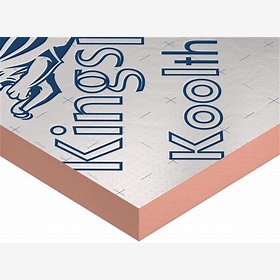
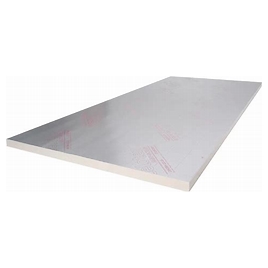
Insulation boards work well in walls, roofs, floors and behind internal linings. Their strength and consistency suit both new builds and refurbishment projects. Builders value them because they deliver reliable thermal results while taking up minimal space.
Financial Benefits of High Quality Insulation
The money side of insulation often convinces people to act. The savings are real, measurable and lasting.
Lower Household Energy Bills
The most immediate benefit is a smaller heating bill. Households that insulate properly frequently report savings that build year after year.
Across the lifetime of a property, these reductions add up to a substantial sum.
Long Term Return on Investment
Insulation is one of the few home improvements that pays for itself. While the upfront cost varies by material and scope, the ongoing savings usually recover that spend within a few years.
After that point, the savings become pure benefit. This is a key part of the benefits of high quality insulation for energy efficiency that appeals to both homeowners and investors.
Reduced Maintenance Costs
A stable, well insulated building suffers less from condensation, damp and temperature stress. That means fewer repairs and a longer life for finishes and structures.
Quality construction materials sourced from a trusted supplier reduce the risk of premature failure, saving money on remedial work down the line.
Environmental Benefits of Effective Insulation
Beyond cost, insulation plays a vital role in cutting the environmental footprint of buildings.
Lower Carbon Emissions
Less energy used for heating means fewer carbon emissions released. Across millions of UK homes, this adds up to a major contribution toward national climate targets.
Every well insulated property is a small but real step toward a cleaner energy system.
Supporting Sustainable Construction Practices
Developers increasingly aim for greener credentials, and efficient buildings sell more easily. Choosing quality UK building materials supports those sustainability goals from the ground up.
Meeting Modern Energy Performance Standards
Building regulations continue to tighten, and Energy Performance Certificate ratings matter more than ever. Strong insulation helps projects meet and exceed these standards with confidence.
How High Quality Insulation Improves Property Value
A well insulated property is worth more, both on paper and in the eyes of buyers.
Increased Buyer Appeal
Buyers and tenants want lower running costs and warmer homes. A property that delivers both stands out in a competitive market.
Better Energy Performance Ratings
A higher EPC rating reflects a more efficient building. This can influence sale price, rental demand and mortgage options.
Enhanced Building Efficiency
Efficient buildings simply work better. They stay comfortable with less effort, which appeals to anyone planning to live in or operate the space for years to come.
Choosing the Right Insulation Materials
Selecting the correct product is just as important as installing it well. A little planning prevents costly mistakes.
Understanding Thermal Performance Ratings
Always check U-values and thermal conductivity figures before buying. These tell you how well a material resists heat flow.
A quality insulation supplier will provide clear specifications so you can compare products fairly.
Considering Building Type and Usage
A draughty Victorian terrace has very different needs from a modern timber framed home. Consider the structure, the climate exposure and how each space is used.
Matching the material to the situation ensures the best balance of performance and value.
Selecting Reliable Insulation Products
Look for products that carry recognised certifications and consistent quality control. Reliable insulation materials deliver the performance their specifications promise, every time.
Why Product Quality Matters
Cutting corners on quality often costs more in the long run. Here is why durability and consistency are worth paying for.
Durability and Long Term Performance
Good insulation should last as long as the building around it. Quality materials hold their shape and performance for decades without sagging or degrading.
Moisture Resistance and Building Protection
Damp is the enemy of both comfort and structure. Quality products resist moisture, protecting the fabric of the building and maintaining thermal performance.
This is where the full benefits of high quality insulation for energy efficiency become clear, because a dry, intact material keeps working as intended.
Consistent Thermal Efficiency
Cheaper products can vary from batch to batch. Premium materials offer dependable, even performance across every panel and roll, which keeps the whole system effective.
Finding a Trusted Insulation Supplier
The supplier you choose shapes the quality of your entire project. A good partner saves you time, money and stress.
What to Look for in an Insulation Supplier
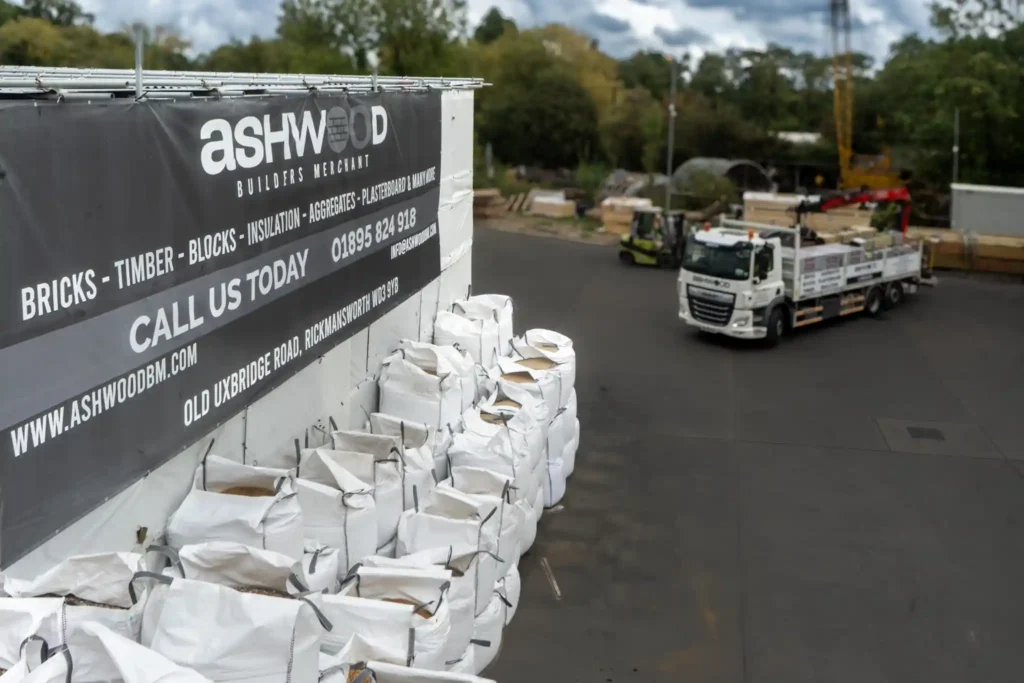
Seek a supplier with a wide range, clear product information and a reputation for reliability. Fast delivery and knowledgeable support also make a real difference on site.
A dependable insulation supplier helps you find the right product for each application without guesswork.
The Importance of Quality Construction Materials
Insulation rarely works alone. It sits alongside membranes, fixings, boards and other components, so sourcing quality building materials across the board keeps everything performing together.
Why Builders Choose Reliable Suppliers
Professionals value consistency. When a supplier delivers the right stock on time, every time, projects stay on schedule and on budget. That trust is why builders return to the same partner again and again.
Common Insulation Mistakes to Avoid
Even good materials can underperform if handled poorly. Avoid these common pitfalls.
Choosing Products Based Only on Price
The cheapest option rarely offers the best value. A low price often means weaker thermal performance or a shorter lifespan, which costs more over time.
Incorrect Installation Methods
Gaps, compression and poor sealing all reduce effectiveness. Even premium products fail to perform if they are fitted carelessly, so follow manufacturer guidance closely.
Ignoring Building Regulations
Skipping regulatory requirements can lead to failed inspections and costly rework. Always confirm that your chosen approach meets current UK standards.
Overlooking Long Term Performance
Think beyond the first year. A material that degrades quickly will need replacing sooner, undoing your initial savings. Prioritise durability from the start.
Why Ashwood Building Materials Is a Reliable Choice
When it comes to sourcing dependable products, Ashwood Building Materials has built a strong reputation among homeowners and professionals alike.
Access to Quality Insulation Solutions
Ashwood Building Materials offers a broad range of insulation solutions suited to walls, roofs, floors and more. Each product is selected for proven thermal performance, giving you confidence in every order.
Supporting Residential and Commercial Projects
From a single home upgrade to a large commercial development, the team supports projects of every size. Whether you need cavity wall insulation, boards or roofing materials, you will find suitable options to match your needs.
Wide Range of Building Materials and Construction Products
Insulation is only part of the picture. As a full building materials supplier, Ashwood Building Materials stocks an extensive range of construction products, making it a convenient single source for your project. That breadth saves time and helps keep everything consistent.
Conclusion
Warm, efficient, cost effective buildings start with the right materials fitted in the right way. The benefits of high quality insulation for energy efficiency reach far beyond lower bills, touching comfort, property value, durability and the environment. For homeowners, builders, developers and contractors alike, getting insulation right is one of the smartest investments you can make.
If you are ready to upgrade your property or specify materials for a new project, explore the range available from Ashwood Building Materials. With dependable energy efficient insulation and a wide selection of quality construction materials, you can build for comfort, savings and the long term. Get in touch today and discover reliable energy saving solutions for your next project.
Frequently Asked Questions
What is the most effective type of insulation for UK homes?
There is no single answer, because the best choice depends on your property. For many homes, cavity wall and roof insulation deliver the biggest savings, since walls and roofs account for the largest share of heat loss. Older properties may benefit most from floor insulation and rigid boards. A good supplier can help you match the right product to each part of your home.
How much can insulation reduce energy bills?
Savings vary by property, but the impact is often significant. Insulating a previously uninsulated loft or cavity wall can cut heating costs noticeably within the first year. Over time, these savings accumulate, frequently recovering the original cost several times over across the building’s lifetime.
How long does quality insulation last?
Well made insulation, fitted correctly, can last for the lifetime of the building. Many products are designed to perform for several decades without losing effectiveness. Choosing durable, moisture resistant materials from a trusted supplier ensures that performance holds steady year after year.
Does insulation increase property value?
Yes. A well insulated property usually achieves a higher Energy Performance Certificate rating, which appeals to buyers and tenants. Lower running costs and improved comfort make these homes more attractive in the market, often supporting a stronger sale price or rental demand.
Why are the benefits of high quality insulation for energy efficiency important?
The benefits of high quality insulation for energy efficiency matter because they affect your comfort, your finances and the environment all at once. Quality insulation keeps heat where you want it, reduces energy waste, lowers carbon emissions and protects the building fabric over time. For anyone serious about creating efficient, comfortable and valuable buildings, investing in the right materials is essential.